The Imaging and Visual Representation Team at the School of Information Engineering, Nanchang University (NCU), has made important research progress in the field of nonlinear optical imaging. The team proposed a silicon-based nonlinear metasurface design based on Quasi-Bound States in the Continuum (Quasi-BICs), realizing high-efficiency infrared upconversion imaging. The relevant results, entitled “High-efficiency infrared upconversion imaging with nonlinear silicon metasurfaces empowered by quasi-bound states in the continuum”, have been published online in Opto-Electronic Advances (Impact Factor: 22.4), a top domestic journal in the optical field.

Infrared imaging technology leverages the thermal radiation of target objects or the penetration properties of specific atmospheric windows, and plays a pivotal role in night vision, industrial inspection, biomedicine, remote sensing and other related fields. However, traditional infrared detectors, limited by narrow-bandgap semiconductor materials, face two critical bottlenecks: first, deep cryogenic cooling is often required to suppress severe thermal noise, which significantly increases the volume, power consumption and cost; second, their sensitivity and response speed are generally inferior to mature silicon-based visible light detectors. To address this issue, nonlinear frequency upconversion technology provides an effective solution. Its core physical process is to convert incident infrared photons to the visible light band via nonlinear optical effects. In this way, infrared target information can be directly captured by high-sensitivity, low-cost silicon-based CMOS or CCD cameras that work at room temperature. Early studies mainly relied on bulk nonlinear crystals, but their strict phase-matching conditions limit the operating bandwidth and acceptance angle, and the system is bulky and difficult to integrate on a chip.
In recent years, with the development of micro-nano fabrication technology, nonlinear optical modulation based on metasurfaces has become a research focus in the field. Metasurfaces consist of subwavelength-scale nanoelement arrays and can achieve ultra-high-contrast enhancement of the localized electromagnetic field within an extremely thin physical thickness, while breaking the phase-matching limitations in traditional bulk materials. However, the nonlinear frequency conversion efficiency of metasurfaces has long failed to meet practical application requirements. How to further enhance the light-matter interaction at the micro-nano scale and improve the nonlinear conversion efficiency by using high quality factor (Q-factor) resonance is a key scientific issue for infrared imaging technology to move toward miniaturization and high performance.
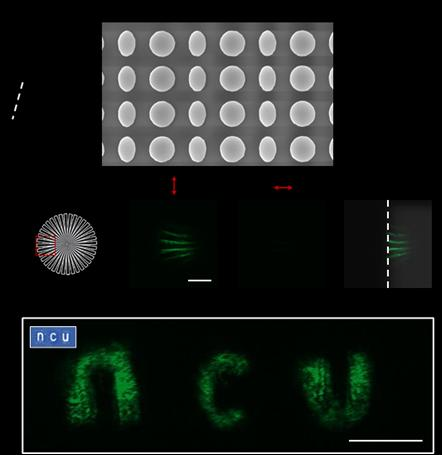
Figure 1. Infrared upconversion imaging realized by Quasi-BICs metasurfaces.
To address this problem, the research team designed a dimer unit composed of silicon nanodisks and elliptical disks (Figure 1(a)). Different from the traditional design that introduces perturbations in multiple directions simultaneously, this work converts BICs, which originally do not couple with continuum radiation modes, into Quasi-BICs resonances with finite lifetimes by precisely controlling the degree of in-plane symmetry breaking of elliptical disks along a single direction (i.e., the x-axis). This unidirectional perturbation strategy can suppress radiation loss more effectively. Experiments demonstrated that the metasurface exhibits high-Q-factor resonant characteristics in the near-infrared band, with a maximum experimental Q-factor of 4000. To verify the application potential of this technology in infrared imaging, the research team built a nonlinear upconversion imaging system and conducted imaging demonstrations on a variety of target patterns (Figures 1(b) and 1(c)). A Siemens star resolution target was adopted as the test object in the experiments, and the results showed that the upconverted visible light images can clearly resolve the fine fringes at the center of the target, with a spatial resolution of approximately 6 μm. In addition, the platform exhibited good upconversion fidelity for complex character patterns (e.g., “NCU”), yielding images with clear contours and high signal-to-noise ratios (SNRs).
The nonlinear metasurface demonstrated in this research features full compatibility with CMOS processes and is based on a mature semiconductor fabrication platform, boasting the potential for large-scale production and integration. Compared with traditional imaging schemes based on sum-frequency processes, this method can achieve upconversion with only a single pump beam, which significantly reduces the complexity of the system. This achievement not only provides a new physical platform for studying light-matter interaction in strong-field environments, but also offers crucial technical support for the future development of miniaturized, high-performance infrared sensors and all-optical information processing devices operating at room temperature.
The School of Information Engineering of NCU is the first completing unit of the paper. Distinguished Research Fellow Liu Tingting is the first author, and Professor Liu Qiegen and Associate Researcher Xiao Shuyuan serve as the co-corresponding authors. The research was supported by the National Natural Science Foundation of China, the Natural Science Foundation of Jiangxi Province, and the Young Science and Technology Talents Support Program of Jiangxi Province.